


| Medium of instruction: | English |
|
Indian folk and tribal dances are simple dances, and are performed to express joy. Folk and tribal dances are performed for every possible occasion, to celebrate the arrival of seasons, birth of a child, a wedding and festivals. The dances are extremely simple with minimum of steps or movement. The dances burst with verve and vitality. Men and women perform some dances exclusively, while in some performances men and women dance together. On most occasions, the dancers sing themselves, while being accompanied by artists on the instruments. Each form of dance has a specific costume. Most costumes are flamboyant with extensive jewels. While there are numerous ancient folk and tribal dances, many are constantly being improved. The skill and the imagination of the dances influence the performance.
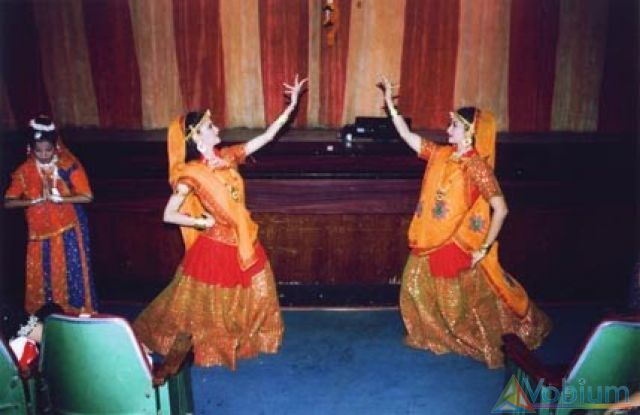
At IDDA, students are trained in Rajasthani folk styles, Bhangra, Ras-Garba and are encouraged to create their own unique choreography so that their understanding of the subject can deepen over time.
| Classroom - Regular | ||||
| When | Duration | Where | Remarks | Price |
| Not Specified | Not Specified | All Venues | Not Specified | Price On Request |
Mumbai, Churchgate (Branch):- 08 Vaswani Mansion Dinshaw Vaccha Road Churchgate, Mumbai - 400020, Maharashtra, India
Ila Dalal Dance Academy
Into the Soul of Nritya...
The Ila Dalal Dance Academy is dedicated toward creating greater awareness and popularity toward classical Indian Dances and encouraging individuals to make dance an integral part of their lifestyle. In addition to certificate courses and in-depth training in Indian Dances like Kathak, Bharatnatyam, Manipuri, Odissi and Indian folk dances, IDDA also offers courses in Western styles such as Latin Ballroom Dancing, Jazz, Contemporary Western and Modern Dance.
Dance is a physical and visual art form, which has an immediate and massive impact on the spectator. The various Indian forms act like a window to India's rich cultural reservoir. Dance is the form of art, where the body is used as a medium of communication. Indian dances have played an influential role in many other realms of art including poetry, sculpture, architecture, literature, music and theater all over the world.
The earliest archaeological evidence of Indian dance, which dates back to 6000 BC, depicts a beautiful statuette of a dancing girl. Bharata's Natya Shastra (which was written between the 2nd century B.C. and 2nd century A.D) is the earliest available thesis on dramaturgy. All forms of Indian classical dances owe allegiance to Natya Shastra, which is believed to be the 'fifth Veda' of the Indian culture.
According to a popular belief, Brahma, the Creator of the World, combined literature from the Rig Veda, songs from the Sama Veda, abhinaya (expression) from the Yajur Veda and rasa (aesthetic experience) from the Atharva Veda, to form natya (what we today call dance). It explains the nuances of dance, giving stress on mudras (hand formations) and their meanings, the kind of emotions and their categorization.
Apart from the abhinaya and the performance of rasa, the audience is amused by the attire and ornaments of the artist. The majority of Indian classical dance forms are focused on the depiction of the nine rasas (Navarasas or the emotions), which includes Hasya (happiness), Krodha (anger), Bhibasta (disgust), Bhaya (fear), Shoka (sorrow), Viram (courage), Karuna (compassion), Adbhuta (wonder) and Shanta (serenity).
The Indian classical dance forms are dominated by the basic elements of a performance, including abhinaya and rasa. Abhinaya is an inevitable part of the dance, since it conveys the true meaning of the performance. On the other hand, the use of rasa varies from one performance to another. The use of a particular rasa is dependent on the situation or the story of the dance performance. Go through the following lines and check out more information on the basic elements of Indian dance - abhinaya and rasa.

